Guitars
Shapes
Series

Basses
Shapes
Series
Acoustic Guitars
Guitar shapes
Guitar series
Acoustic Guitars
Acoustic Basses
Ukuleles
Series
Highlights
Amps
Highlights
Effects
Types
Highlights
Search on Harley Benton
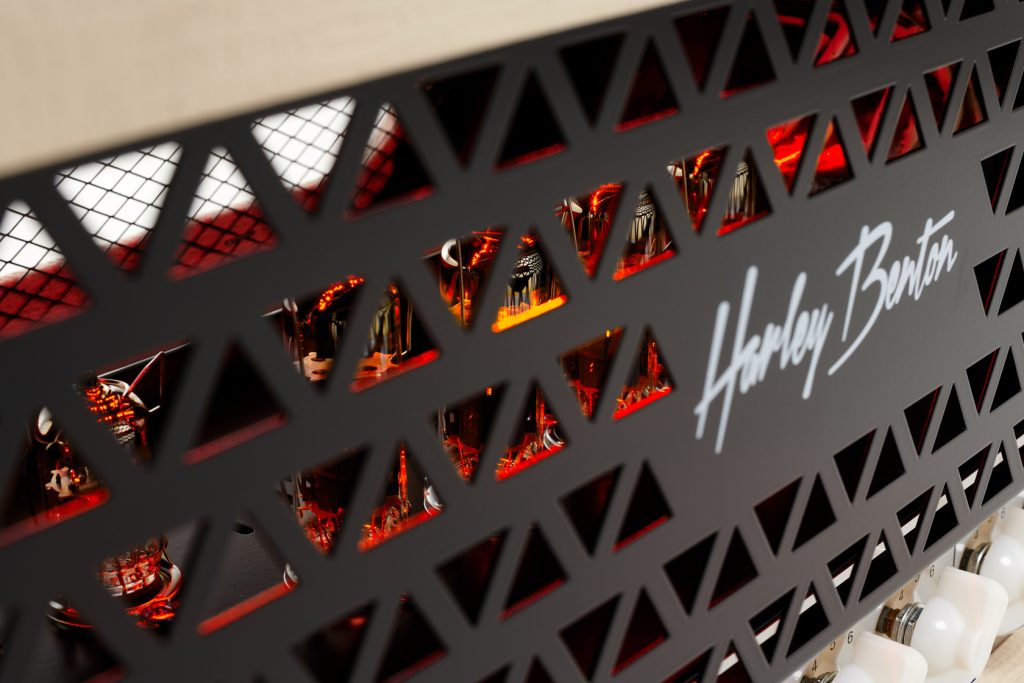
Originally, all amplifiers were tube-based, as was the limit of the technology in those early days of amplification. And though they were designed to amplify the new electric instruments of the time, such as guitars and basses, they struggled to keep enough “headroom”. Headroom refers to the amount of output an amplifier can produce before it starts clipping or distorting. Although jazz and blues musicians were experimenting with this new distorted sound, most early adopters of electric instruments and amps were transitioning from their purely acoustic instruments, and the expectation was to have a clean, unadulterated output signal. This often led to very loud amps, in order to maintain enough headroom at high volumes, before the undesirable clipping or distortion took place.
With the advent of rock n’ roll music and a new generation growing up with these electrified instruments, things began to change. These younger players discovered that they could use the distortion offered by tube amps to their benefit, leading to increased sustain and overtones. This, in turn, led to a whole new industry of pedals that were designed to further push the input signal to purposefully induce clipping. What was initially an undesirable byproduct of tube technology began to lay the groundwork for an entirely new kind of music.
Prior to electric amplification, guitars were normally relegated to the rhythm section in a band, often barely audible. Now, however, players could play lead passages just as loud, if not louder, than the solo instruments of the time.
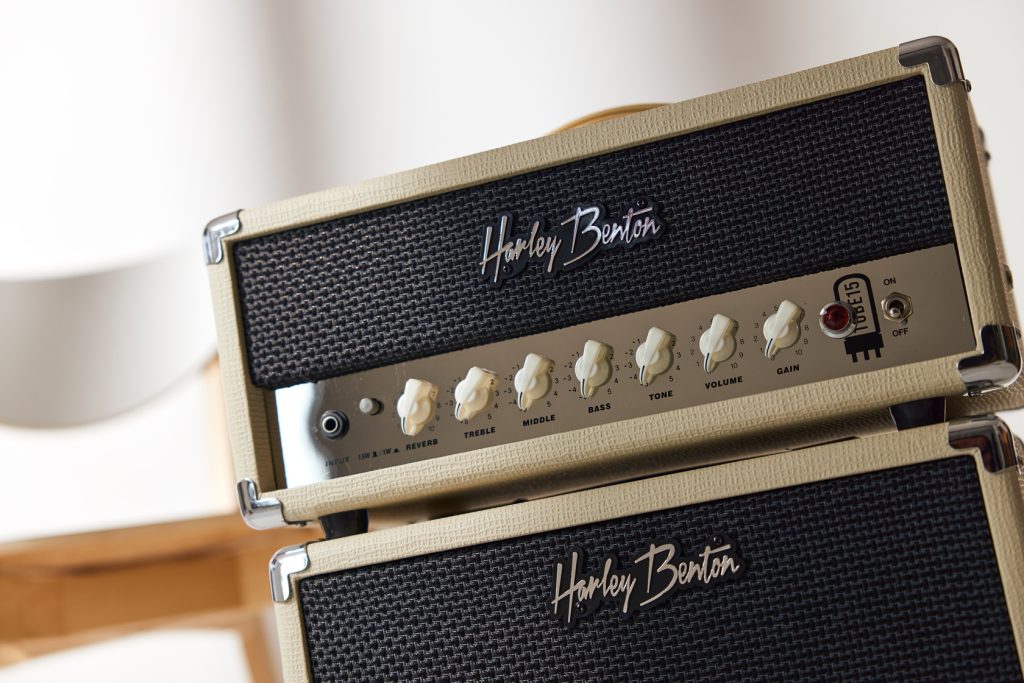
By the late 50’s and early 60’s, a whole new guitar-based vocabulary had been formed, powered by these dynamic tube amps. They offered raw power and a musical feedback that many players began incorporating into their palette, shaping the many hard-rock genres we take for granted today.
Compared to solid-state amps, tube amps offer that “vintage” tone and feel heard on classic rock records. When tubes clip they tend to do so gently, introducing second-order harmonics which many players find more musical than on solid-state amps. This distinct compression gives the amps a more dynamic feel. In practice, this means when you play softly you’re rewarded with clean chime and clarity, but dig in and the amp responds with harmonic richness and character rather than simply clipping hard. Those early adopters of electric guitars and amps would drive, or set, their amps to what is considered a “sweet spot”, where the tubes start clipping with a musical distortion. Once set, the player can then turn back the volume on the instrument to generate a range of sounds between “clean” and “distorted” as desired.
The signal from the instrument’s pickups enters the pre-amp section, where the pre-amp tubes boost and shape it via the controls, usually an EQ section and volume knobs. It then passes into the power-amp section where the power tubes apply greater current and voltage to drive the speaker load. Finally, the amplified signal is sent to the speaker, converting the electrical energy into sound waves for us to hear. Each section, pre- and power-, offers up a distinct set of overdriven tones, and some manufacturers started adding a volume control for each section, giving players the ability to mix and match to get their preferred results.
Players also discovered that various types of tubes would produce distinct sounds. In the early days, each country employed its own tubes to power electronics. You may have heard of “American” or “British” sounding amps, which usually refers to not only their circuit designs, but also their components, such as the use of 6L6 for the former and EL34/EL84 tubes for the latter, as those were the tubes available in those countries at the time. The “American” amps tend to produce a brighter sound and offer more headroom before breaking up, while the “British” amps will get “dirty” much quicker. However, these are just two examples in a multitude of options available.
Like most instrument amplifications, tube amps are available as “head”, which is just the amplifier without a speaker “cabinet”, or a “combo” where the speaker and amp are housed in the same unit.
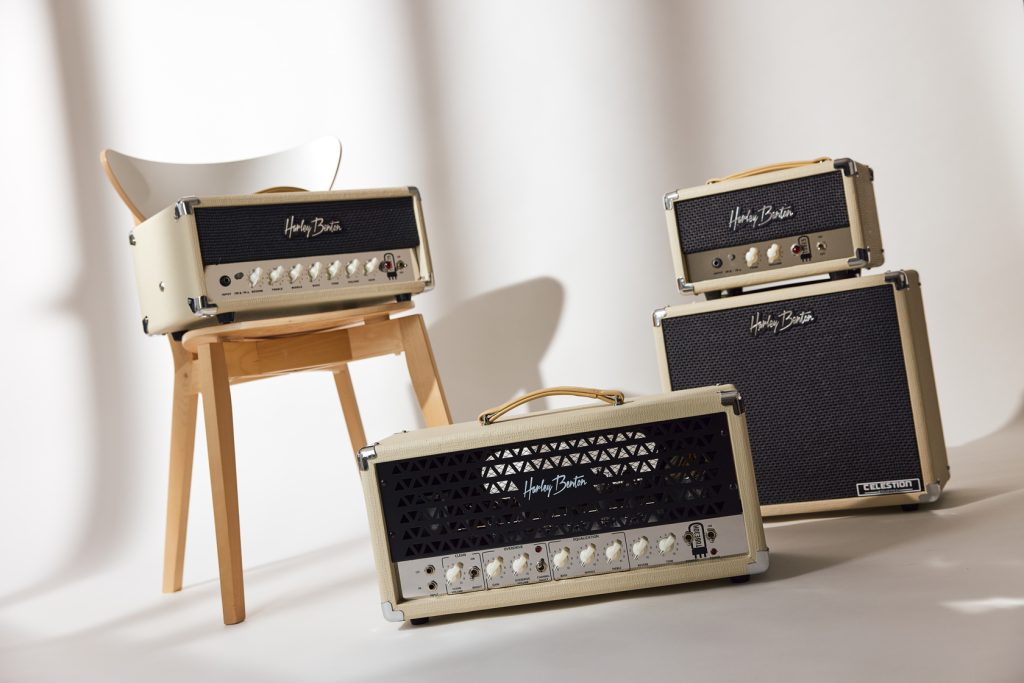
Tube amps may not be for everyone. In many modern genres, for example, tube amps may not be the ideal amplification system, since they do “sag”, which makes them less “tight”, especially with fast tempos and riffs. They’re also heavy, loud, and cumbersome, compared to their solid-state counterparts.
But if you seek a warm, dynamic, and responsive tone that offers a tactile feel, you can’t go wrong with a good ol’ tube amp. Sure, a solid-state amplifier will get you in similar territory, and often with the ease that modern devices offer. And while digital and solid-state devices are almost there, there’s still no substitute for the feel that a tube amp brings to completing your guitar circuit, especially if you’re looking to crank up and enjoy the inimitable crunch and feedback it provides. And watching the tubes light up as you turn the amp on and slowly warm up is sure to put a smile on your face.
Check out these Harley Benton Tube Amps: