Guitars
Shapes
Series
Basses
Shapes
Series
Acoustic Guitars
Guitar shapes
Guitar series
Acoustic Guitars
Acoustic Basses
Ukuleles
Series
Highlights
Amps
Highlights
Effects
Types
Highlights
Search on Harley Benton
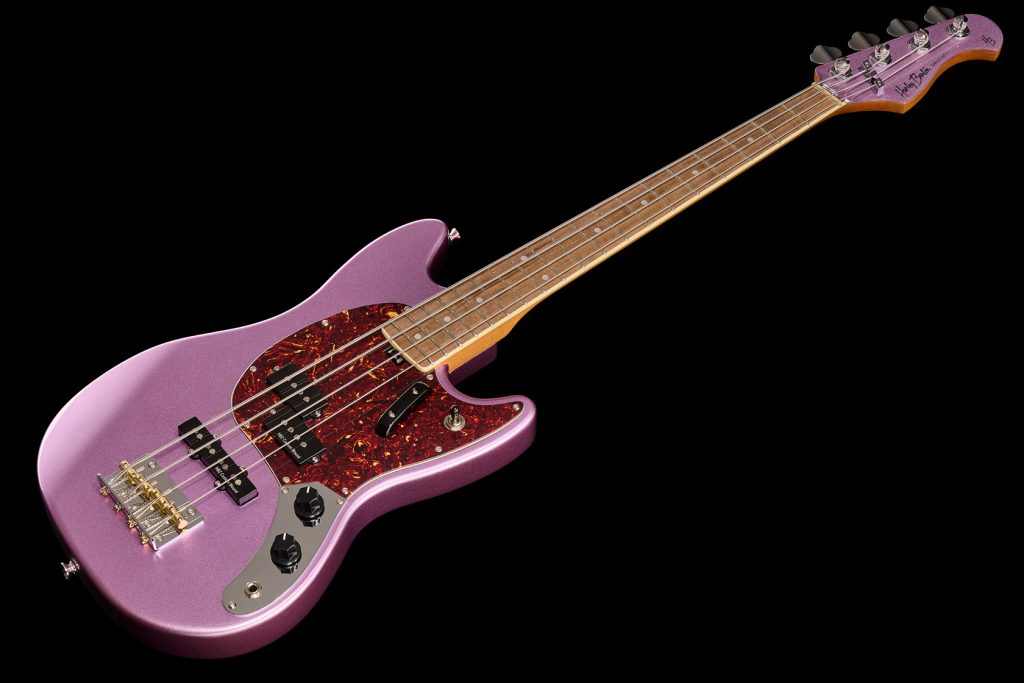
The scale-length of a stringed instrument refers to the length of the string that freely vibrates, which on guitars and basses is the distance between the nut and the bridge. Standard basses usually have a scale-length of 34 inches (864mm) and above. Anything shorter tends to fall into short-scale territory, often coming in at around 30 inches (762mm) or less.
One of the benefits of a short-scale basses is that they are compact. This is especially useful for younger players or those who find it hard to reach the tuners on a standard-scale model. They’re also ideal for guitarists switching to bass, as the scale feels more familiar. And due to their shorter neck, they have reduced string tension that makes fretting notes or bending strings easier. Their compact size also makes them easier to transport.
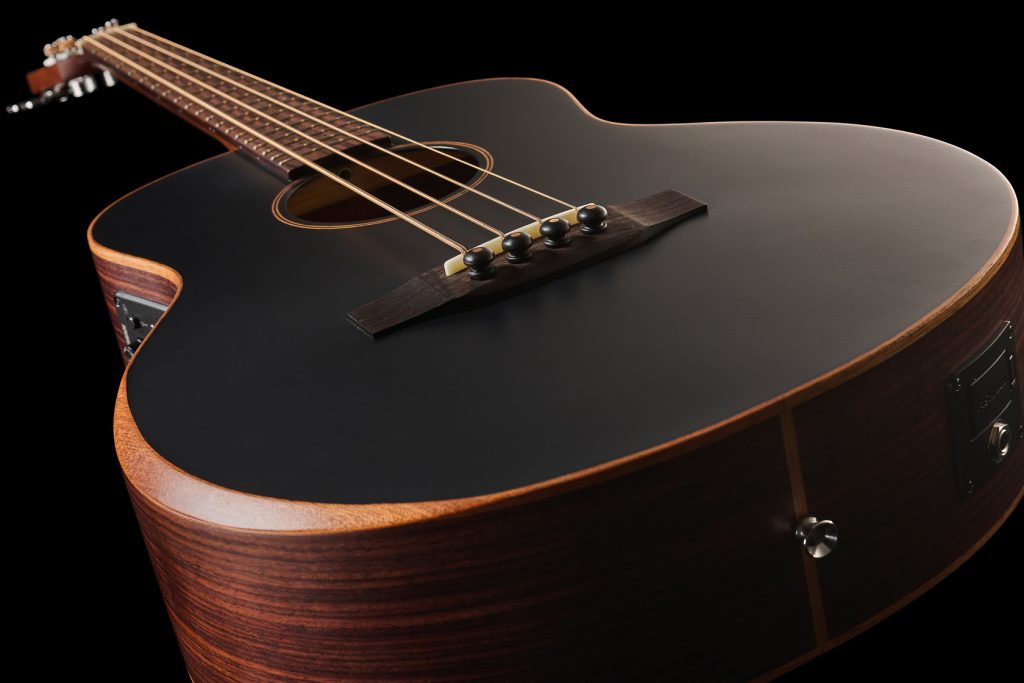
But comfort is not the only thing on offer with short-scale basses. For the same gauge of strings on their larger counterparts, they offer a softer tone. Due to their shorter scale-length, the strings have less tension that leads to wider vibrations, producing a warmer sound.
This makes short-scale basses perfect for styles that call for warmth and clarity. And because the strings are less taut, they produce a ‘thumpier’ sound that works well in the context of ‘driving’ rhythms.
Due to their smaller scales and shorter necks, short-scale basses also tend to be lighter than their full-sized versions. If a standard bass starts cutting into your shoulder on those long rehearsals or live sets, a short-scale bass might just be what the doctor ordered.
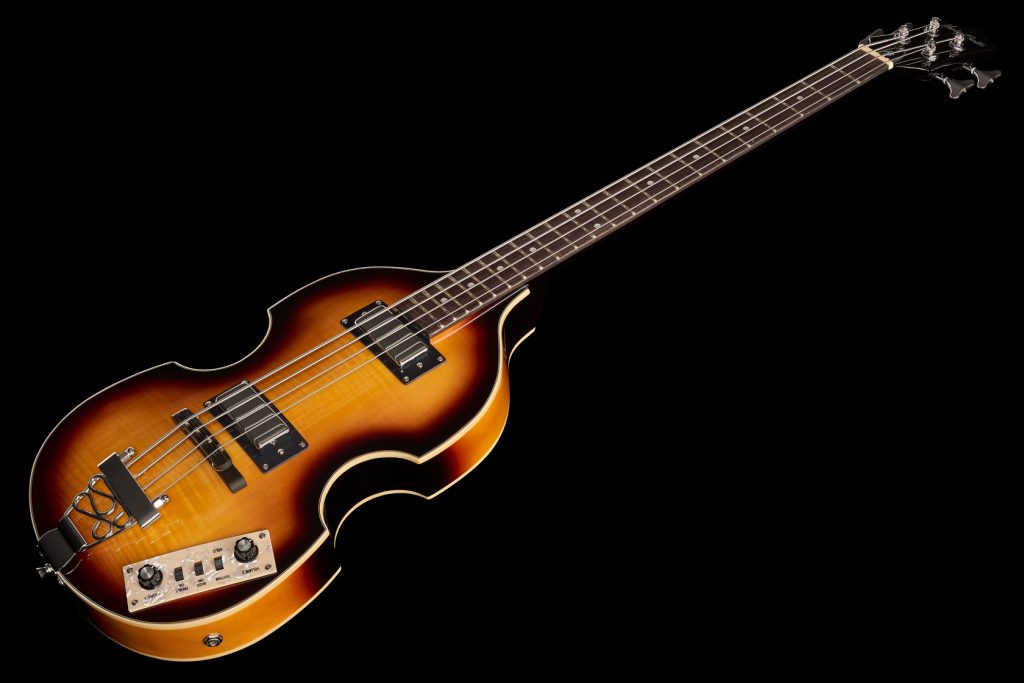
Although short-scale basses may look less imposing compared to their standard-sized cousin, they are as much their own instrument. Many professionals keep one in their arsenal for that distinctive ‘thump’ and warm tone. In the recording studio, they can offer a fresh contrast to the familiar, sustain-heavy sound of standard or long-scale basses. And, especially for beginners, they make for fun and easy-to-play instrument.