Guitars
Shapes
Series
Basses
Shapes
Series
Acoustic Guitars
Guitar shapes
Guitar series
Acoustic Guitars
Acoustic Basses
Ukuleles
Series
Highlights
Amps
Highlights
Effects
Types
Highlights
Search on Harley Benton

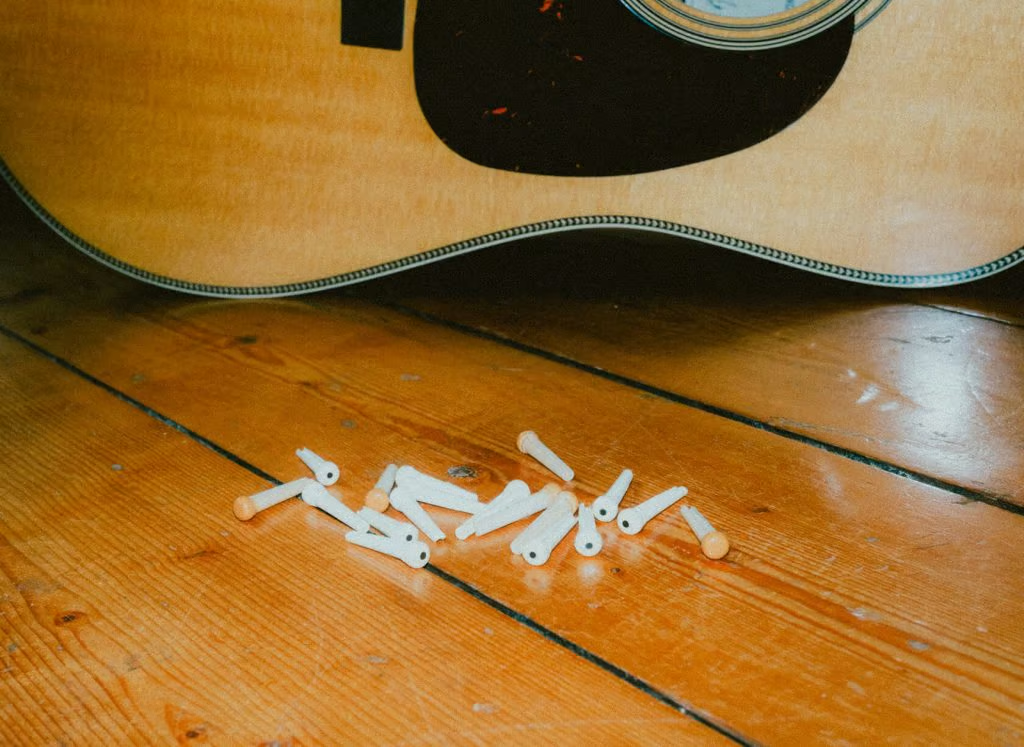
The most common bridge pins are made of plastic. These are lightweight, practical parts that perform their function reliably. Plastic pins are easy to fit and inexpensive to replace, and most players will find them to be perfectly adequate. These traits make them ubiquitous in the acoustic steel-string guitar universe, especially on beginner or more budget-friendly models.
Plastic, however isn’t your only choice. Bone has a long history as a construction material for a lot of instruments, including acoustic guitar. It’s the traditional material for nuts and saddles because of its hardness and ability to transfer vibration cleanly. As bridge pins, bone offers sustain and resonance, along with a classic look. Compared with plastic, bone pins often feel very smooth to the touch and can be a durable long-term choice. To hear the difference between plastic and bone, check out the comparison video below:
Tintul wood pins deliver a warmer response and are slightly more resonant than their plastic counterparts. Other woods like ebony offer a clear, articulate response that can help brighten up a warm-sounding guitar. Apart from their tonal properties, wooden pins also add a ‘woody’ aesthetic to the instrument. You can hear how they sound in the videos linked below.
If you find plastic, wood, or bone to be too boring and conventional for you, then you might want to check out galalith pins. Galalith is a synthetic material made from casein, and provides a traditional ivory look, and clear, articulate tone transfer. These pins will appeal to players looking for something more modern and unique than the more traditional materials used for bridge pins. Check out the video link below to hear the difference.
Ultimately, there’s no right or wrong, or best option, as each material has its own advantages and set of aesthetics that it can add to your instrument. If you’re curious to hear how some of these materials compare in real playing scenarios, be sure to check out the Ultimate Bridge Pin Shootout video on our YouTube channel to hear the different bridge pins compared side-by-side, and decide what works best for you.
Harley Benton Plastic Bridge Pins:
Harley Benton Bone Bridge Pins:
Harley Benton Wood Bridge Pins:
Harley Benton Galalith Bridge Pins: